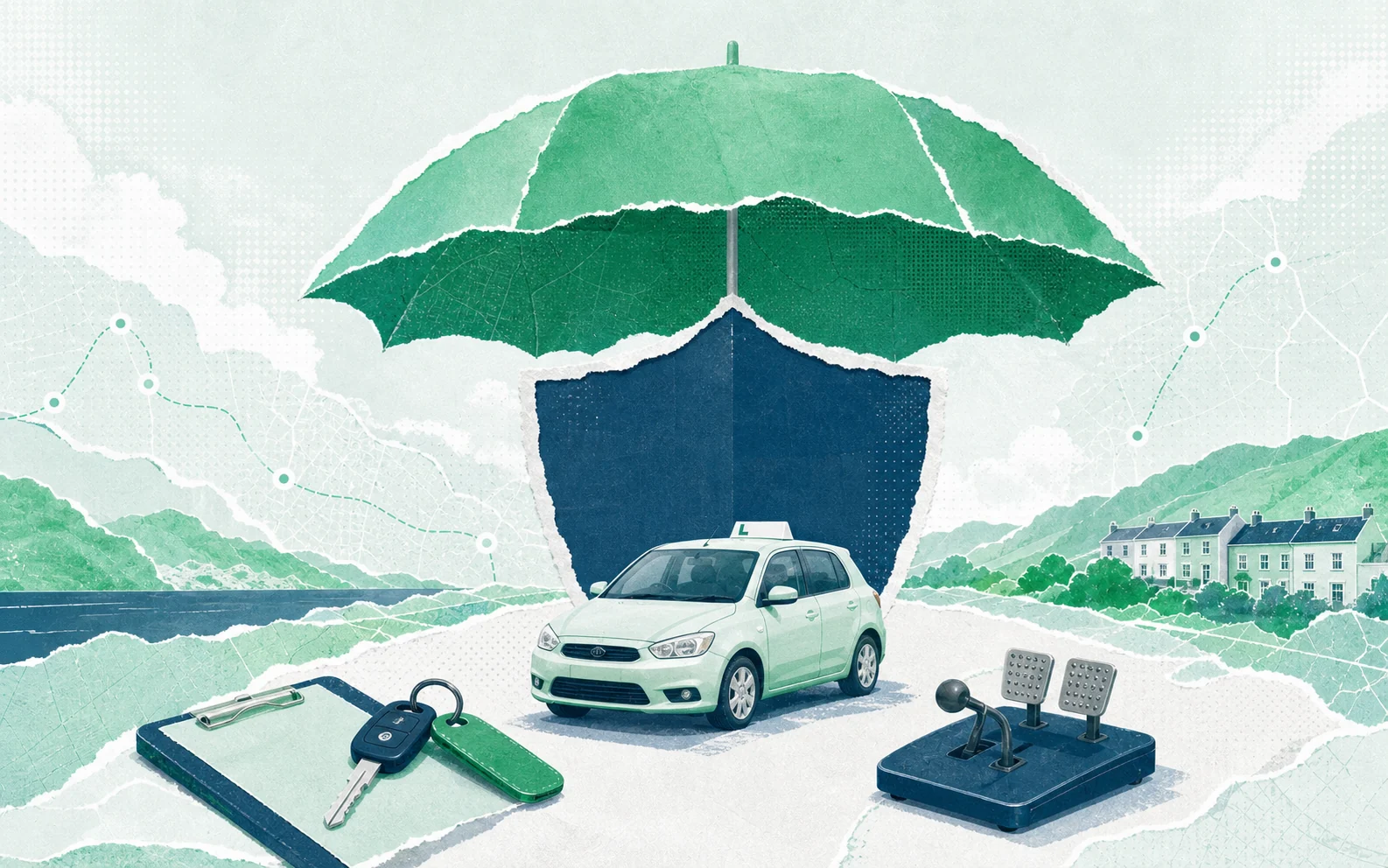
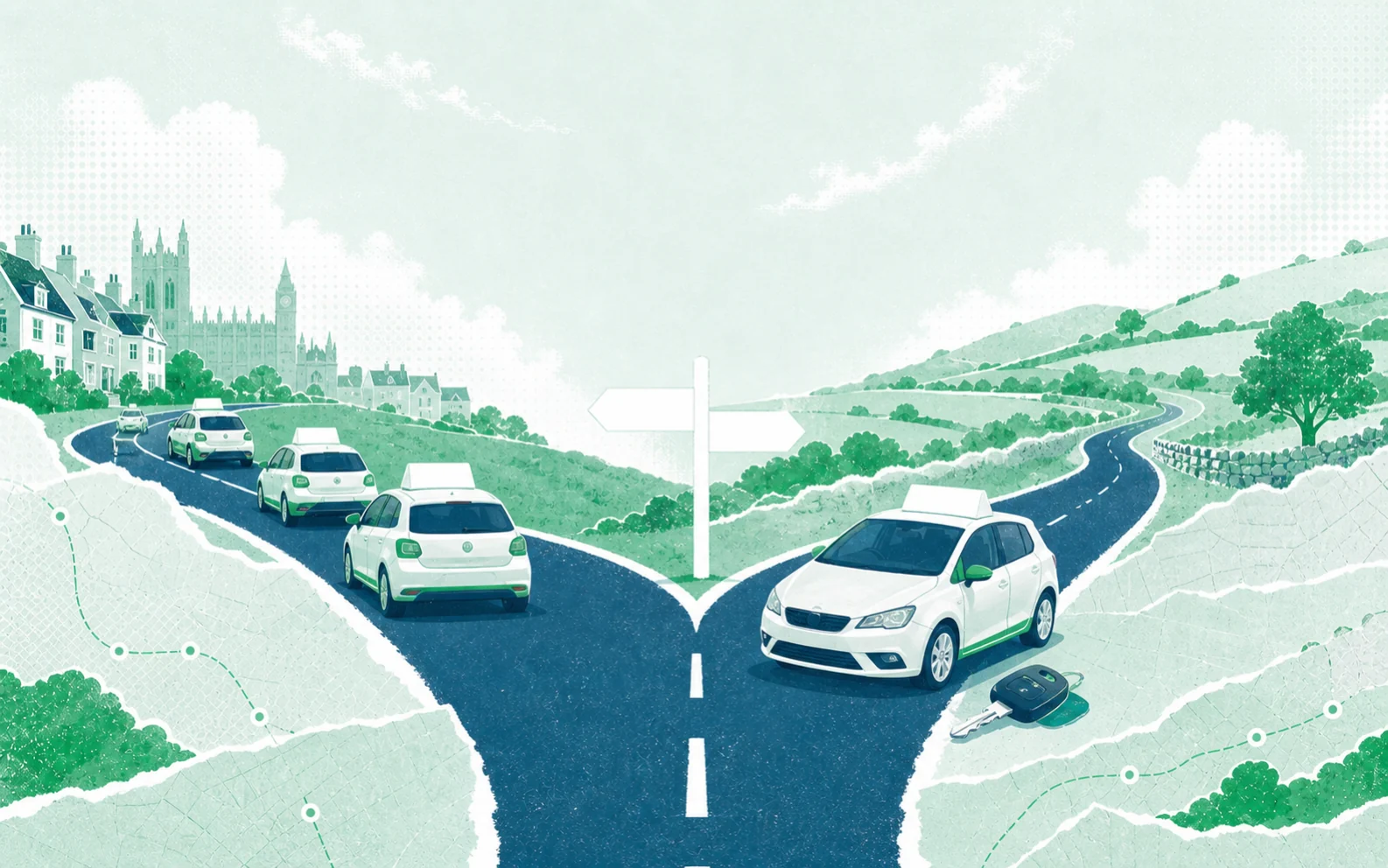
Franchising suits instructors who want a car and a supply of pupils without the upfront effort, in exchange for a weekly fee. Going independent means keeping everything you charge but funding your own car and finding your own pupils. New instructors often start on a franchise for the safety net; established ones usually earn more independent once their diary is full.
Neither is universally right. This guide gives an honest comparison, a worked cost table and a clear steer on who suits which, so you can decide with numbers rather than sales patter.
What is the difference between a franchise and going independent?
A franchise is a commercial arrangement where you pay a national or local driving school a weekly fee, and in return you typically get a branded, dual-controlled car, marketing, and enquiries or pupils passed to you. You remain self-employed, but you operate under someone else’s brand and rules.
Going independent means you run entirely as your own business. You choose your car, set your own prices, keep all your earnings, build your own brand and find your own pupils. There is no weekly fee to anyone, but there is also no safety net: the car, the insurance, the marketing and the empty slots are all yours to manage. The core trade is convenience and reduced risk versus control and higher margin.
How much does a driving instructor franchise cost?
Franchise fees vary widely by provider, region and what is included, but they typically run from around £150 to over £250 a week. All-inclusive packages with a supplied car sit at the top; fee-only arrangements where you use your own car sit lower. The headline weekly figure is only part of the picture, so always total the real annual cost.
Here is an illustrative comparison. Your own figures will differ, so treat this as a framework, not a quote.
| Item | Franchise (car included) | Independent (own car) |
|---|---|---|
| Weekly franchise fee | ~£150 to £250+ | £0 |
| Car finance or lease | Included in fee | You pay directly |
| Business insurance | Often included | You arrange and pay |
| Marketing and pupil supply | Provided | You fund and run |
| Branding | The franchise’s | Your own |
| Who keeps lesson income | You (minus the fee) | You keep it all |
| Freedom over prices and hours | Limited by contract | Full control |
| Main risk | Fee due even in quiet weeks | Empty slots and car costs are yours |
To model your own situation properly, use our franchise cost calculator, which compares the true weekly and annual cost of a franchise against running independently. Pair it with the driving instructor salary guide to see how each route affects your take-home.
What are the pros and cons of a driving school franchise?
A franchise reduces risk and admin at the cost of margin and control. It is often the sensible choice when you are starting out and cannot yet fill a diary on your own.
Pros:
- A car, insurance and branding sorted from day one, with no upfront outlay.
- A supply of pupils or enquiries, so you can be earning quickly.
- Less admin and marketing to worry about while you find your feet.
- The backing of an established, recognised brand.
Cons:
- The weekly fee is due whether or not your diary is full, which stings in quiet weeks.
- Less control over pricing, car choice, branding and sometimes hours.
- Tie-in periods, notice requirements and possible restrictions on private pupils.
- Once you are busy, the fee can quietly cost you more than the pupils it brings.
The crucial question is whether the franchise reliably supplies enough work to justify the fee. Ask current franchisees how many pupils they actually receive, and read the contract for guarantees, tie-ins and any excess-mileage or damage charges on the car.
Before signing any franchise agreement, get clear answers to a few specific questions. How many pupils, or hours, does the fee actually guarantee, in writing? What exactly does the fee cover, and what costs, such as fuel, servicing or excess mileage, remain yours? How long is the tie-in and what notice must you give to leave? Can you teach private pupils alongside the franchise, or are you restricted? And what happens to the pupils you have taught if you leave? Vague answers to any of these are a warning sign, because the gap between a good franchise and a poor one is almost always in the contract detail rather than the headline weekly fee.
What are the pros and cons of being independent?
Independence maximises what you keep and how you work, in exchange for carrying all the risk and doing all the pupil-finding yourself. It rewards instructors who can market themselves and keep a diary full.
Pros:
- No weekly fee, so every hour billed goes to your own costs and profit.
- Full control over prices, hours, car and brand.
- You build your own reputation and pupil base, which is an asset you own.
- Freedom to change how you work whenever you choose.
Cons:
- You fund and manage your own car, insurance and servicing.
- Empty slots are entirely your problem and your loss.
- You have to find every pupil yourself through marketing, reviews and referrals.
- More admin: bookings, payments, cancellations and records are all on you.
The pupil-finding burden is the real work of independence, which is why good software and a steady marketing habit matter so much. Our guide to getting more driving pupils covers the practical channels, and Passly’s free marketplace listing puts you in front of learners searching in your area at no cost.
Which one suits you?
Match the route to your stage, your appetite for risk and your ability to fill a diary. As a rough guide:
- A franchise suits you if you are newly qualified, do not yet have a pupil base, want a car and insurance sorted with no upfront cost, or value low admin over maximum earnings.
- Independent suits you if you can keep yourself busy, want to keep everything you charge, care about controlling your prices and brand, and are comfortable running the business side.
Many instructors do both over time: start on a franchise for the safety net, build a reputation and a waiting list, then switch to independent once the fee costs more than it returns. If you plan to grow further, our guide to starting a driving school covers the next steps, and setting your lesson prices helps you price to keep more of each hour.
Making the switch
If you decide to leave a franchise, plan it. Check your contract for notice periods and any rules about contacting pupils after you go, then line up your own car, business insurance and a way to attract learners before you hand in notice, so your income does not dip. Model the numbers first with the franchise cost calculator, and when you are ready to run your own diary, bookings and payments in one place, you can start free with Passly.