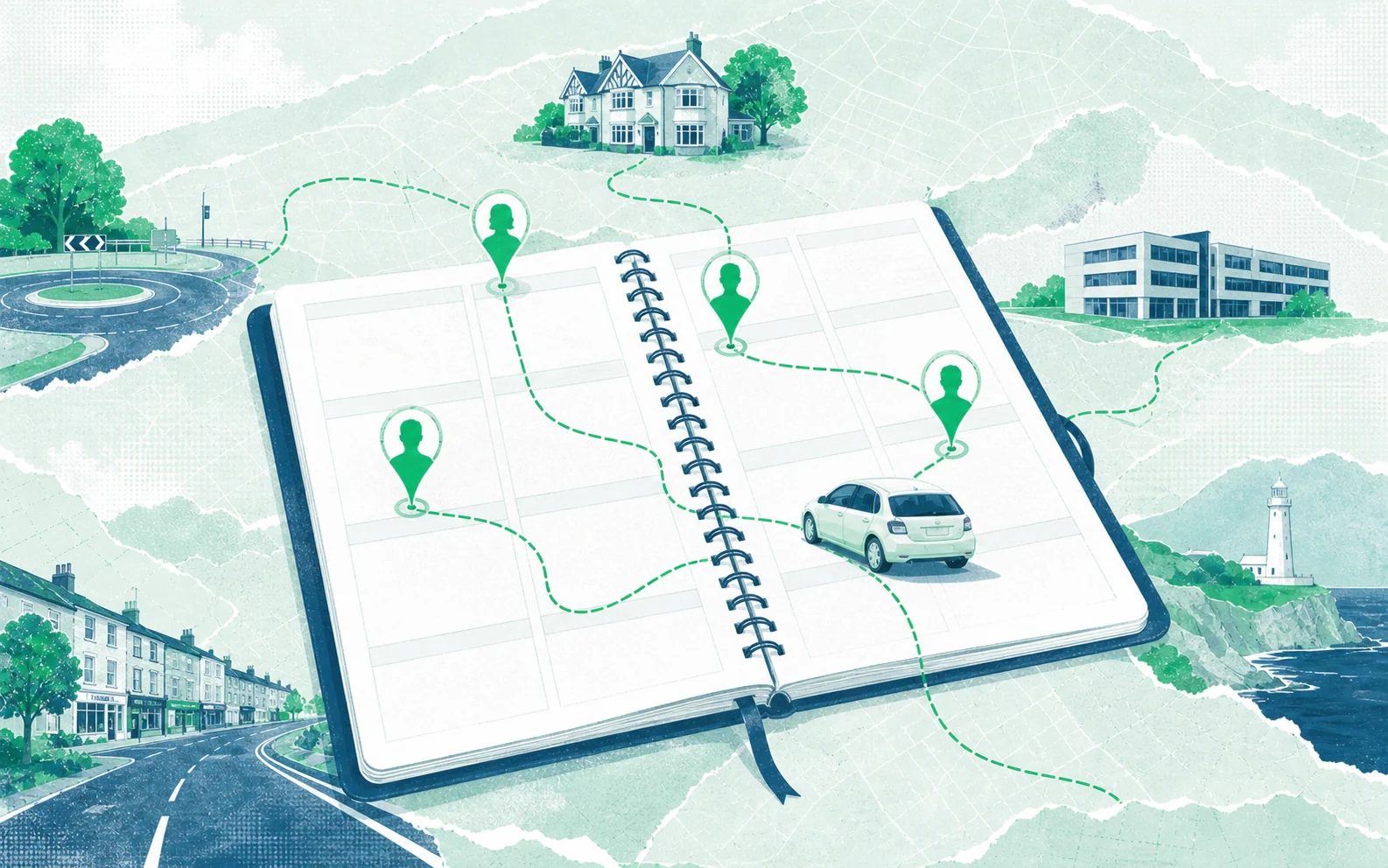
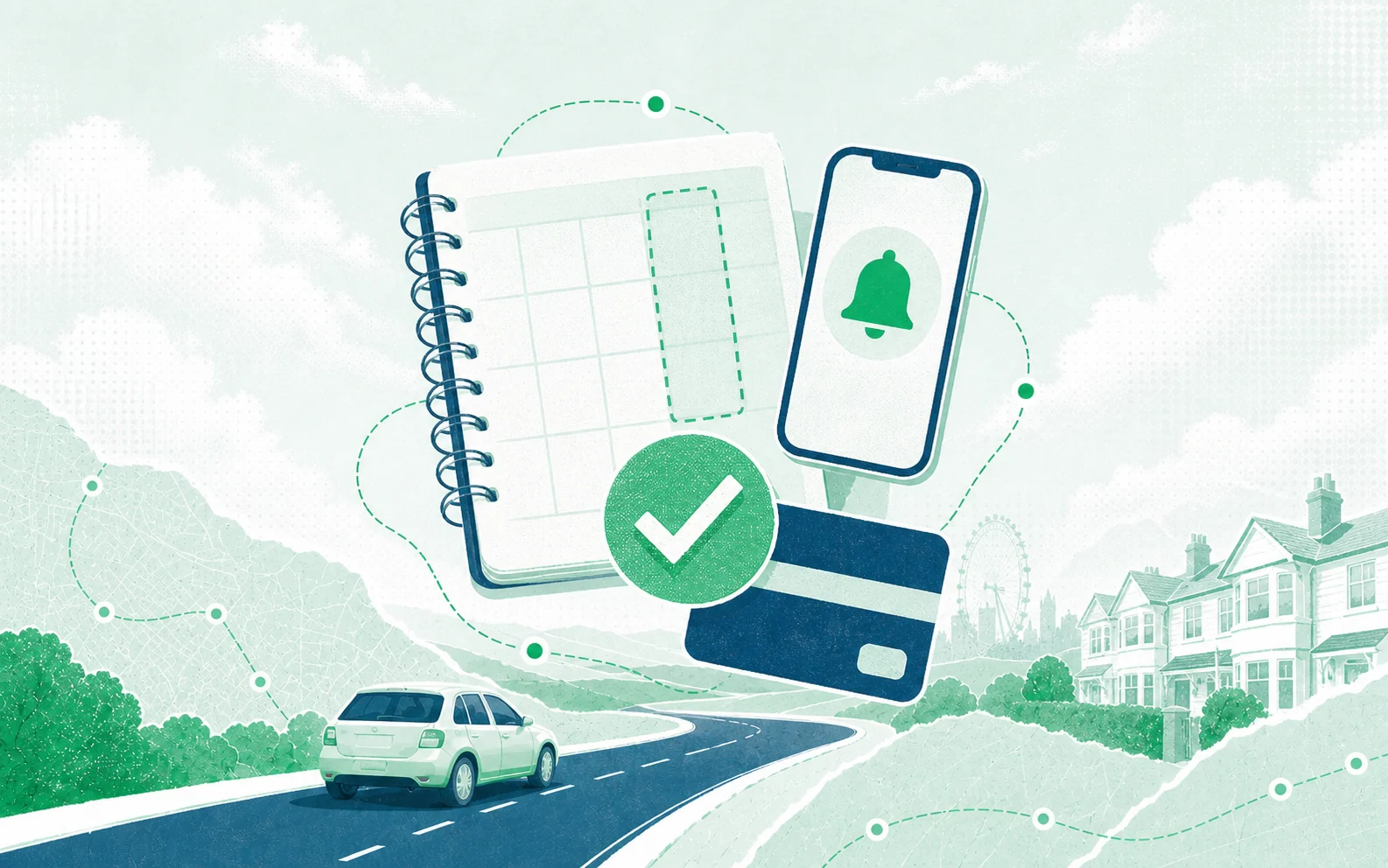
To reduce no-shows and late cancellations, combine four things: a clear cancellation policy every pupil agrees to in advance, a sensible notice window such as 48 hours, automatic reminders a day or two before each lesson, and prepayment or lesson credits so a missed slot still costs the pupil. Reminders kill forgetfulness; policy and prepayment change the incentive.
Every empty slot a pupil fails to turn up for is money you cannot get back, because your time is your entire product. This guide sets out the policies, payment structures and tools that protect your diary, and how to refill a gap quickly when a cancellation does happen.
Why do no-shows and cancellations hurt so much?
Because an instructor sells time, and time cannot be stored. When a pupil no-shows your Tuesday 3pm, you cannot sell that hour to anyone else after the fact; it is simply gone, along with the fuel and the diary space you set aside. A couple of missed lessons a week can quietly wipe out a meaningful chunk of your monthly income.
There are two distinct problems to solve. The first is forgetfulness: pupils, especially younger ones, genuinely lose track of a lesson booked a fortnight ago. The second is casualness: pupils who cancel at the last minute because something more appealing came up, treating your diary as flexible when it is not. Reminders solve the first; policy and prepayment solve the second. A good system tackles both at once so you are not relying on goodwill alone.
What should a driving instructor’s cancellation policy say?
A clear cancellation policy states how much notice you need, what happens if a pupil gives less, and how no-shows are treated, all agreed before the first lesson. Putting it in writing up front removes every later argument, because the pupil knew the terms when they booked.
A workable policy usually covers:
- The notice window. How far ahead a pupil must cancel to avoid a charge, commonly 48 hours.
- The late-cancellation charge. What a pupil pays if they cancel inside the window, often the full lesson fee or a used credit.
- No-shows. That failing to turn up is charged in full, the same as a late cancellation.
- Genuine emergencies. A line making clear you will use discretion for real emergencies, so the policy feels fair rather than harsh.
- How to cancel. The one channel you want used, so cancellations do not get lost across texts, calls and messages.
Have every new pupil acknowledge the policy when they join. Consistency is what makes it work: a policy you apply to everyone is respected, while one you enforce selectively breeds resentment and gets ignored.
What is a fair cancellation notice period?
Somewhere between 24 and 72 hours, with 48 hours being the common middle ground. The right number depends on how quickly you can realistically refill a freed-up slot: the longer it takes you to fill a gap, the more notice you need to avoid losing the income.
If you have a healthy waiting list and pupils who happily take last-minute slots, you can afford a shorter window because a cancellation is easy to backfill. If your diary is tightly booked and hard to rearrange, lean towards 48 or 72 hours. Whatever you land on, keep it consistent across pupils and state it in writing. The notice period is really a promise about how much warning you need to protect your income, so set it to match how your particular diary actually behaves.
How do deposits and lesson credits reduce no-shows?
Money committed in advance is the single strongest deterrent to no-shows, because a pupil who has already paid has a real stake in showing up. Deposits and prepaid lesson credits move the financial risk of a missed lesson onto the pupil, where it belongs, rather than leaving it with you.
There are a few models. You can take a deposit to confirm a booking, especially useful for new pupils and one-off lessons where you have no relationship to fall back on. You can sell blocks of lessons paid up front, which both secures income and rewards commitment. Or you can run a credit system where pupils top up a balance and each lesson draws it down, so a late cancellation simply consumes a credit with no awkward chasing. Passly supports pay-now or pay-later options and lesson credits, and instructors can take card payments from pupils via Stripe, so you can require payment before a slot is confirmed if you want to. Tracking who has paid, who owes and who has credit left is handled in the app rather than in a notebook, which our messaging and payment reminders feature ties together.
Do automatic reminders really cut no-shows?
Yes, because a large share of missed lessons are pure forgetfulness, and a well-timed reminder removes them. A pupil who booked two weeks ago and gets a nudge the day before is far more likely to turn up than one left to remember on their own.
The trick is automation. Manually texting every pupil the night before every lesson is exactly the kind of admin that eats your evenings and gets skipped when you are tired. Passly sends booking confirmations and email reminders automatically, so each pupil gets a consistent nudge ahead of their lesson without you lifting a finger. A reminder also gives a pupil who genuinely needs to rearrange the prompt to do it now, while there is still notice, rather than not showing up on the day. Reminders will not fix a pupil who is being casual, but they eliminate the innocent misses, which are the majority. See our messaging and reminders feature for how the automatic nudges work.
How do you fill a gap when a pupil cancels?
Advertise the freed-up slot to your waiting list the moment it opens, and make it as easy as possible for someone to claim it. A cancellation only costs you if the hour stays empty; fill it and you have lost nothing but a little admin.
Keep a running list of pupils who want extra lessons, earlier slots or more frequent sessions, and go to them first when a gap appears. Better still, let pupils see and book your real-time availability themselves, so when a slot opens someone can grab it without you brokering it by message. This is where online booking earns its place: your genuine free time is visible, a pupil books it directly, and the gap closes while you are teaching someone else. The faster and more self-service your rebooking is, the less any single cancellation actually hurts, which is also why a shorter notice window is viable once easy rebooking is in place.
Putting it together
No-shows and late cancellations are not just bad luck; they are a system problem with a system fix. Agree a clear policy every pupil signs up to, set a notice window that matches how fast you can refill a slot, take deposits or run lesson credits so a missed lesson still costs the pupil, automate reminders to wipe out forgetfulness, and keep a waiting list so gaps close quickly. Do all five and your diary stops leaking income. This works hand in hand with the routing and time-protection habits in our guide to driving instructor diary management, and if empty slots are a symptom of too few pupils overall, see how to get more driving pupils.