To teach a nervous driving pupil, control the pace so they are never overwhelmed, choose quiet routes matched to their ability, break each skill into small achievable steps, use commentary driving to focus their attention, and name every bit of progress out loud. Nervous learners improve through repeated small successes and trust in their instructor, not through pressure.
Anxiety is one of the biggest brakes on a learner’s progress, and how you respond to it defines whether they thrive or quietly give up. This guide sets out practical, repeatable techniques for calming nervous pupils and turning their nerves into steady, visible improvement.
Why do some pupils get so nervous learning to drive?
Driving asks a beginner to manage a heavy machine, dense information and social pressure all at once, so nerves are a rational response, not a character flaw. Some pupils also arrive with specific fears: a past collision, a bad experience with a previous instructor, family anxiety about them driving, or simply a fear of getting things wrong in front of someone.
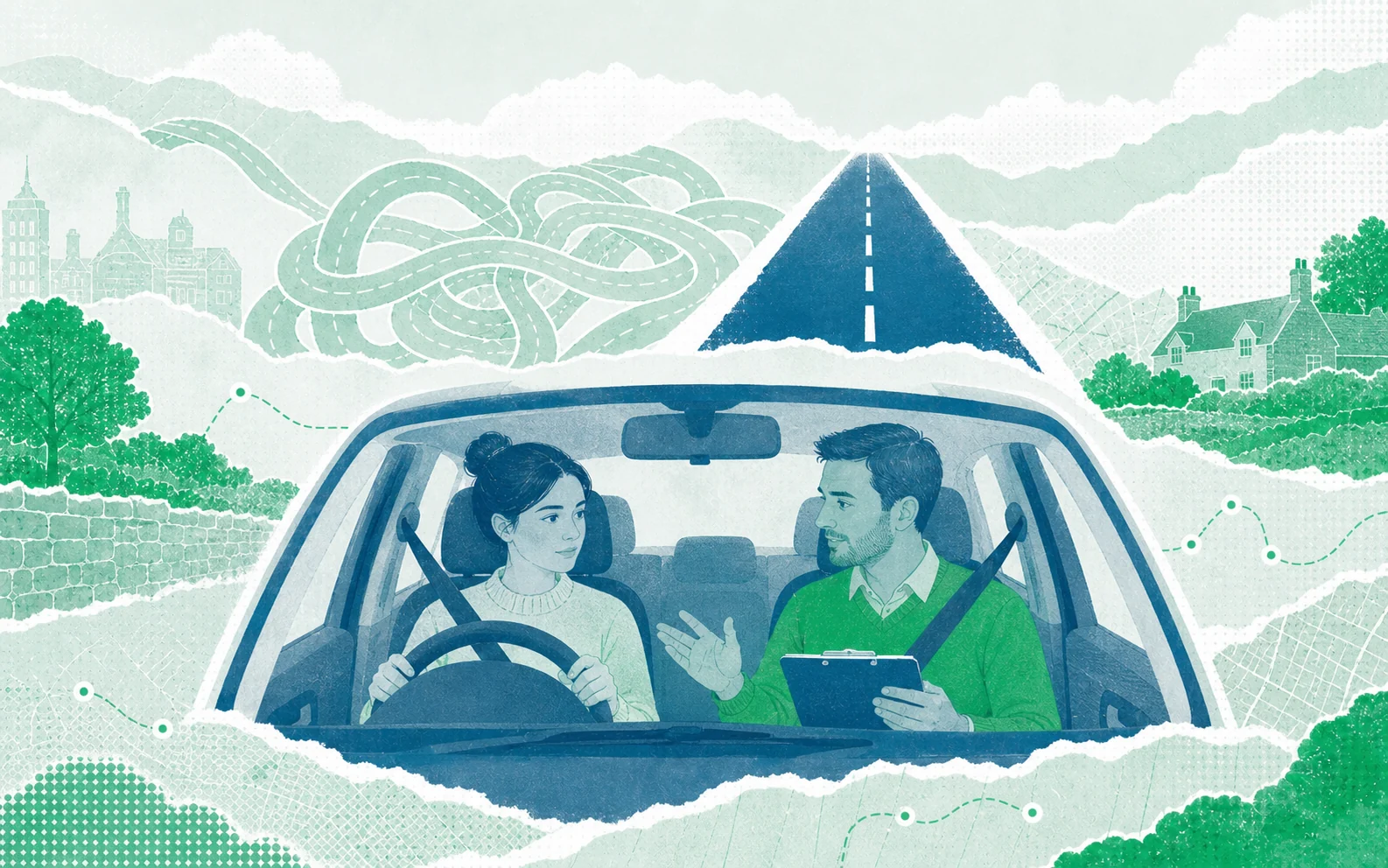
Understanding the source matters because it shapes your approach. A pupil who is scared of traffic needs graded exposure; one who is scared of being judged needs a visibly patient, blame-free lesson. Ask early and gently what worries them most, and treat that answer as information you will use, not a problem to talk them out of. The nerves are real, and your job is to design lessons that shrink them.
How do you pace lessons for a nervous learner?
Slow the lesson down and keep every task just inside the pupil’s current ability. Pacing is the single most powerful lever you have: a nervous pupil pushed too fast panics and regresses, while one who is stretched gently gains confidence with every lesson.
Give yourself and the pupil more time than you think you need. Pull away only when they are ready, give directions well in advance so they are never rushed into a decision, and resist the urge to add a new challenge the moment they manage the last one. Build in pauses to talk through what just happened. If you sense overload building, deliberately drop the difficulty back to something they can do easily, let them succeed, and rebuild from there. The goal is a lesson that feels calm and achievable throughout, never a series of near-misses.
Which routes work best for anxious pupils?
Start on quiet, familiar roads with light traffic, few junctions and plenty of space, then add complexity only as each skill becomes secure. Route choice is how you dial the difficulty of a lesson up or down, so it is a core teaching tool rather than an afterthought.
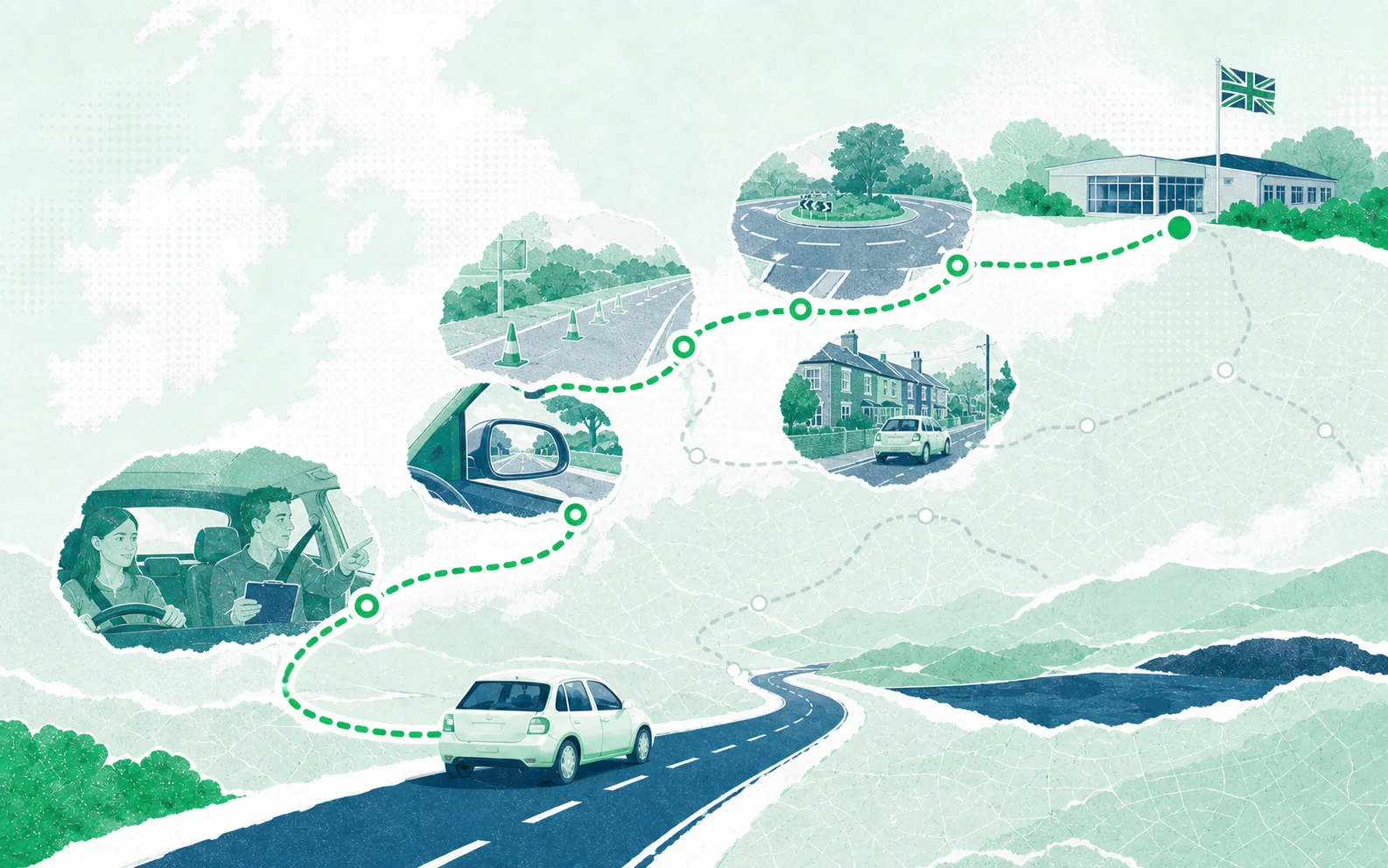
Familiar routes remove the extra worry of not knowing where they are going, letting the pupil put all their attention on the driving. As they settle, introduce new roads on purpose so the skill generalises beyond streets they know, because the test and everyday driving will not be on home turf. Plan a progression: empty car parks and estate roads first, then quieter main roads, then busier junctions and multi-lane traffic. Thoughtful route planning also keeps your diary efficient, which our guide to diary management covers in detail.
How does commentary driving help nervous pupils?
Commentary driving, where you narrate what you are seeing and planning, or ask the pupil to, calms anxious learners by turning vague fear into concrete, manageable information. It slows the racing mind and redirects attention from “what if I fail” to “what is actually happening on the road”.
Model it first: as you sit in on the drive, calmly say what you notice and how you would respond, showing the pupil what a confident driver’s attention looks like. Later, invite them to commentate in their own words. This keeps them actively engaged rather than tensing up in silence, and it tells you exactly what they are and are not noticing, so you can fill the gaps. Keep it light and conversational; the point is to reassure and inform, not to add another thing to get right.
How do you break driving skills into small steps?
Split every skill into the smallest steps a pupil can succeed at, then teach one step at a time until it is comfortable before adding the next. A nervous learner faced with “do a roundabout” freezes; the same learner handling approach speed, then observation, then lane choice, then exit as separate pieces can build the whole manoeuvre without fear.
Take a hill start: seat and handbrake, finding the bite point, balancing gas and clutch, then releasing the handbrake, then moving off, each rehearsed until it is automatic. Let the pupil master each fragment on its own so their working memory is not overloaded, then chain the fragments together. This step-by-step structure is also what makes progress measurable, and recording it against a syllabus with progress tracking lets both you and the pupil see each small skill tick off, which is deeply reassuring for someone who doubts themselves.
Why does celebrating progress matter so much?
Nervous pupils systematically underestimate how well they are doing, so naming their progress out loud corrects a false story they are telling themselves. Specific, genuine praise is not flattery; it is feedback that recalibrates their sense of their own ability.
Be precise rather than generic. “Your clutch control on that hill was smooth today” lands far harder than “well done”, because it points to real evidence they can trust. Refer back to things they once found impossible that are now routine, so they feel the arc of improvement. A shared progress record makes this tangible: when a pupil can look back over lessons and see skills marked as secure, the fear of never getting there loses its grip. Celebrating progress is not soft; it is one of the most effective confidence-building tools you have.
How do you handle a pupil who panics mid-lesson?
Get them somewhere safe, stop, and let them reset before doing anything else. If a pupil is overwhelmed, continuing to drive only deepens the panic, so pulling over calmly and without fuss is the right move every time.
Once stopped, keep your voice low and unhurried, let them breathe, and reassure them that stopping to regroup is completely normal. Talk gently about what triggered it, because naming the trigger takes some of its power away, and often reveals that a smaller step was needed. Then rebuild with something easy they can definitely do, so the lesson ends on a success rather than the panic. The most important thing you protect in that moment is trust: a pupil who knows you will never judge or pressure them will recover faster and come back willing to try again. For the same challenge on test day, share our learner guide to driving test nerves with them.
Turning nerves into steady progress
Nervous pupils are not harder pupils; they are pupils who need structure, patience and visible evidence that they are improving. Pace lessons so they always feel achievable, choose routes that match their level and stretch gradually, break skills into pieces they can win at, use commentary to steady their focus, and tell them clearly and specifically when they have done well. Do that consistently and anxious learners often become some of your most careful, most loyal drivers, precisely because you were the person who made it feel possible. Keeping that momentum going all the way to test is what our guide to keeping pupils until test is about.