The UK practical driving test pass rate is around 48%, according to DVSA figures, meaning roughly half of all candidates pass on any given attempt. That national average has held steady for years, but it hides big variation: pass rates differ noticeably by test centre, age and gender. What matters most for your own chances, though, is not the statistics but how well prepared you are.
Understanding the numbers helps you set realistic expectations and make sensible choices, such as where to take your test. But it also helps to know what the figures do and do not tell you. This guide breaks down how pass rates vary, why, and what actually predicts whether you will pass.
What is the average driving test pass rate?
Around 48% of practical driving tests end in a pass, according to DVSA data. That covers every attempt in a year, first tests and retests together, so it is best read as “about half of tests are passed”. The theory test pass rate is separate and is typically a little higher than the practical, but both have stayed broadly stable over time.
Because this is an average across everyone, it does not describe your personal odds. A well-prepared candidate who takes the test only when ready has a much better chance than 48%, while someone rushing in under-prepared has a much worse one. The headline number is a useful benchmark, not a prediction. For the full test format, see our practical driving test guide.
Why do pass rates vary by test centre?
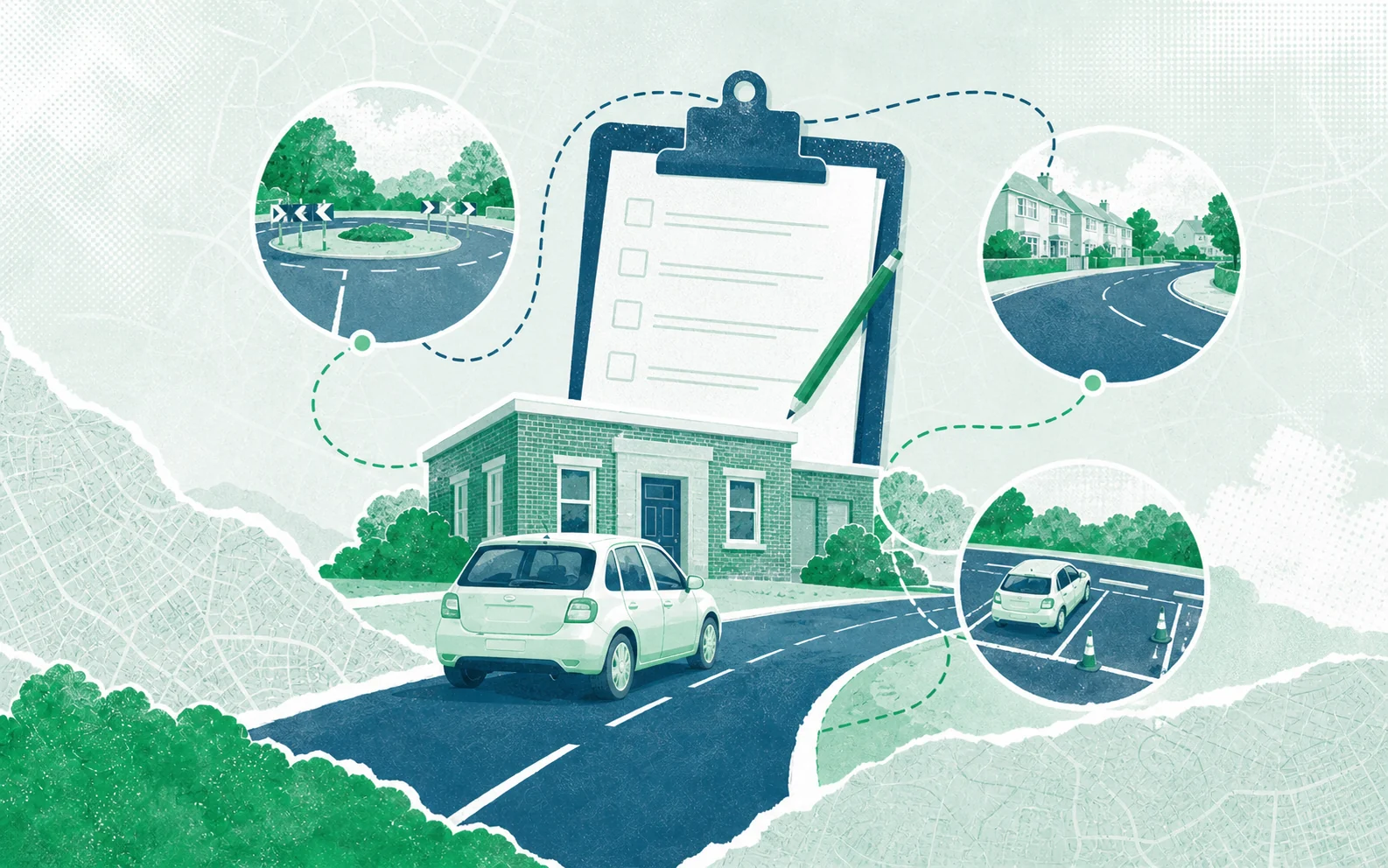
Pass rates differ from one test centre to another mainly because of the roads around them. A centre surrounded by quiet, rural roads tends to have a higher pass rate because its test routes involve simpler traffic and fewer complex hazards. A centre in a dense city, with heavy traffic, tight junctions, multi-lane roundabouts and constant pedestrians, tends to have a lower one.
This does not mean some examiners mark more leniently. The DVSA applies the same national standard everywhere, and examiners are monitored to keep marking consistent. The variation reflects how demanding the local driving environment is, not how the test is scored. So a lower pass rate at your nearest centre usually means the roads are harder, not that you are being judged more harshly.
How do pass rates vary by age and gender?
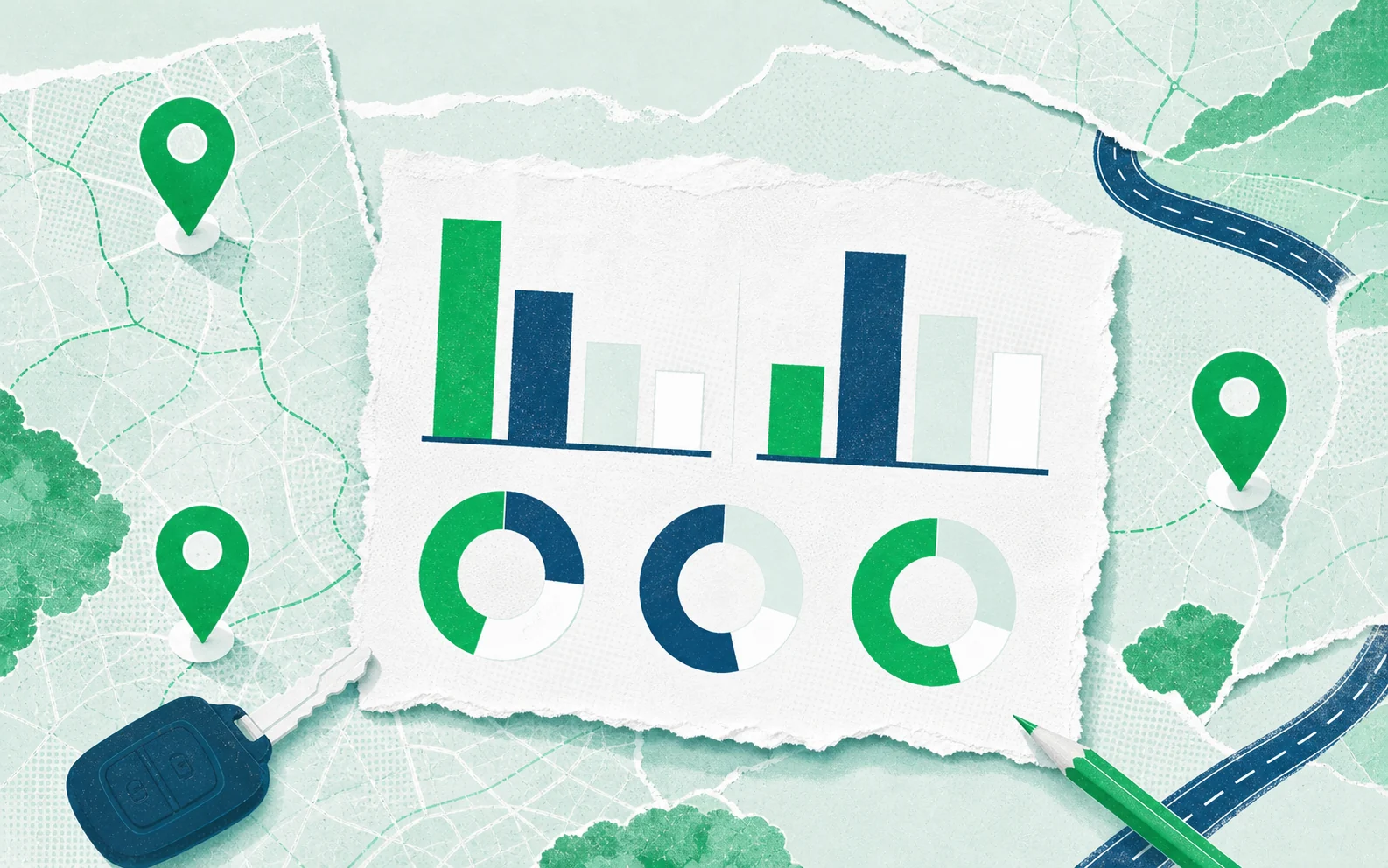
DVSA data shows some consistent patterns. Younger candidates, particularly those in their late teens, tend to have somewhat higher pass rates than older learners, often because they practise more frequently and have recently studied the theory. Pass rates generally drift downwards as age increases, though plenty of older learners pass without difficulty.
There is also a long-standing gap by gender in the published figures, with male candidates passing at a slightly higher overall rate than female candidates, though the difference is modest and varies year to year. None of these patterns should worry you individually. They are population-level averages, and they are dwarfed by the effect of preparation. A thoroughly prepared candidate of any age or gender passes at a far higher rate than an unprepared one.
| Factor | General pattern in DVSA data | How much it matters to you |
|---|---|---|
| Test centre | Rural centres often higher, urban centres lower | Some effect, but only if you know the routes |
| Age | Late teens tend to pass at a higher rate | Small compared with preparation |
| Gender | A modest, long-standing gap in averages | Minimal for any individual |
| Preparation | Well-prepared candidates pass far more often | The dominant factor by a wide margin |
Should you pick a test centre with a higher pass rate?
It can be worth choosing a centre with quieter roads, but only if you actually practise around it. A high headline pass rate is no help if you have never driven the local routes. Passing depends on being comfortable with the roads you will be tested on, so a familiar urban centre often beats an unfamiliar rural one, even if the latter has a better percentage on paper.
If you do consider travelling to a quieter centre, treat it as a decision made with your instructor, and put in real lessons on those roads first. Chasing a statistic across the county while turning up cold is a false economy. The right centre is the one whose roads you know well and can drive confidently. Many Passly instructor and town pages show local pass rates and lesson availability, so you can weigh up nearby centres sensibly; browse driving lessons in your town to see what is close to you.
What actually predicts passing?
Readiness. It is the single strongest predictor, and it outweighs age, gender and test centre combined. Candidates who take enough lessons, add regular private practice, and book their test only when their instructor agrees they are ready pass at much higher rates than those who rush. DVSA guidance points to an average of around 45 hours of lessons plus about 22 hours of private practice before most learners are ready.
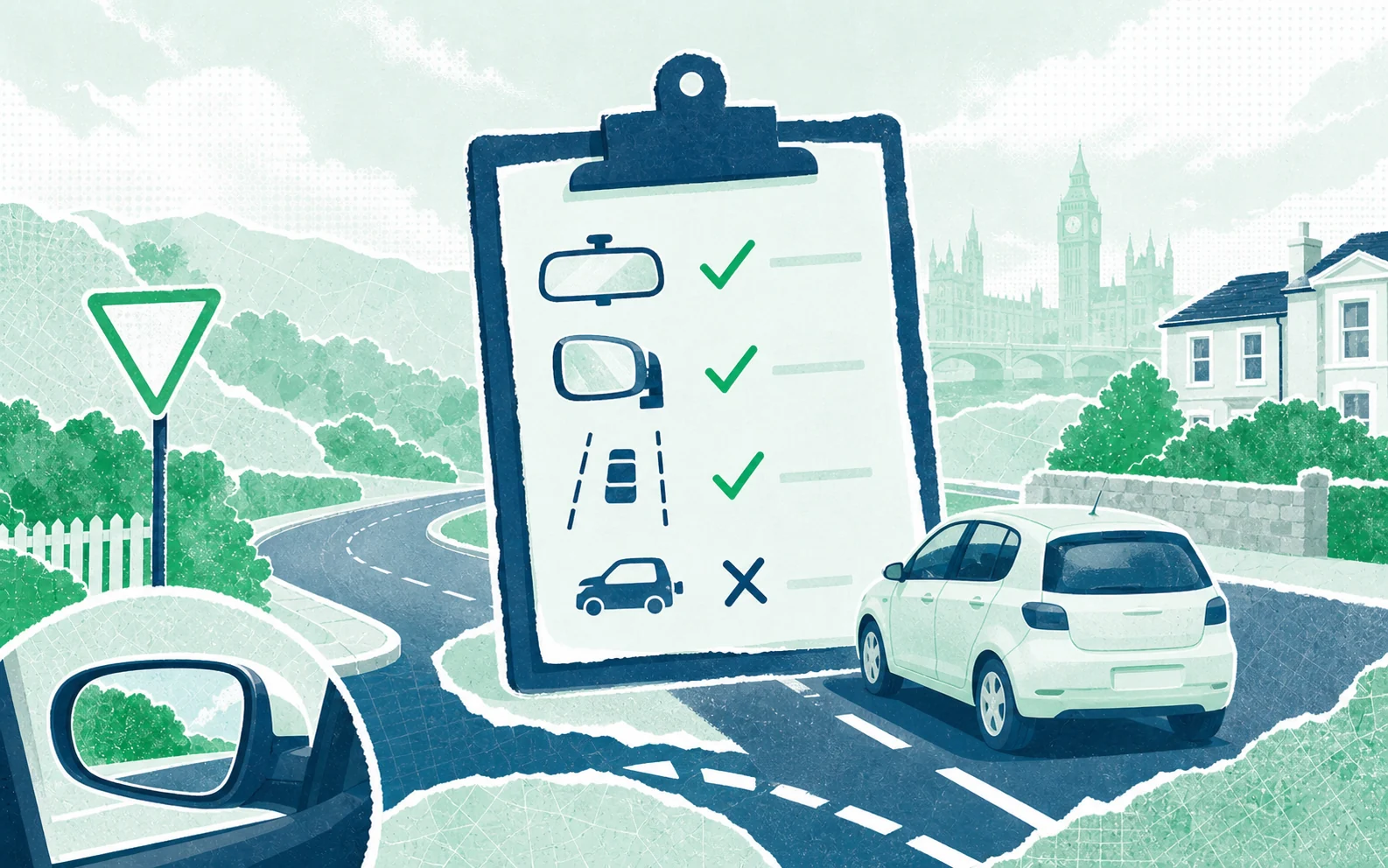
Practically, that means driving consistently and safely across the areas examiners watch most closely, junction observation, mirror use, positioning, steering and responding to signs. If you can do those reliably under pressure, your personal odds are well above the national average. Read our guides to the most common driving test faults and how many driving lessons you need to judge where you stand.
How can you improve your own odds?
Focus on preparation, not statistics. Take regular lessons with a good instructor, add as much private practice as you can in an insured car, and do mock tests under realistic conditions so test-day pressure holds no surprises. Fix your specific weaknesses rather than driving comfortable routes on repeat.
Manage nerves too, because anxiety causes avoidable mistakes; our guide to driving test nerves covers evidence-based techniques.
What do the pass-rate numbers not tell you?
It is worth being clear about the limits of the statistics. A test centre’s headline pass rate reflects everyone who tests there, including under-prepared candidates who drag the average down, so it says little about how you specifically will do. A centre with a 40% rate is not “harder to pass” for a well-prepared driver; it simply serves busier roads and a wider mix of candidates. Reading too much into a single percentage can lead to poor decisions, like travelling far for a marginal statistical edge.
Likewise, the age and gender patterns are averages measured across hundreds of thousands of tests. They describe populations, not individuals, and they carry no predictive weight for one person on one day. The only figures that should shape your plan are your own: how many hours you have driven, how consistent your mock tests are, and whether your instructor believes you are ready. Those personal indicators predict your result far better than any national breakdown, so track them and let them, not the headlines, decide when you book.
Above all, do not book your test just because a slot is free. Book it when you are genuinely ready. That one decision moves your chances further than any test centre choice ever could. When you are ready to start or step up your lessons, you can find a driving instructor near you on Passly.